
Happy Mother's Day. Big Sale Up to 40%
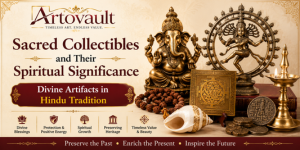
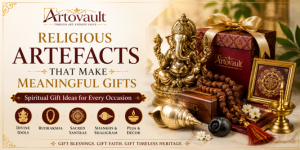
More than decorative objects or historical artifacts, these treasured items symbolize faith, devotion, divine blessings, and the preservation of ancient wisdom. Whether passed down through generations or acquired for personal worship, sacred collectibles connect devotees with their spiritual heritage and inspire a deeper sense of reverence.
From beautifully crafted bronze idols and rare Shaligrams to ancient coins, yantras, Rudraksha beads, and ritual objects, each collectible carries its own unique spiritual meaning and historical value.
Sacred collectibles are religious and spiritual objects that hold devotional, cultural, historical, or ritual significance. They are often used in:
Many collectors value these artifacts not only for their artistic craftsmanship but also for the spiritual symbolism they represent.
Traditional idols of Hindu deities are among the most cherished sacred collectibles.
Popular deities include:
Each idol represents divine qualities such as wisdom, prosperity, courage, protection, knowledge, and spiritual awakening.
Shaligram is a naturally occurring sacred stone found primarily in the Gandaki River of Nepal. It is revered as a direct manifestation of Lord Vishnu and is worshipped in temples and homes without the need for Prana Pratishtha.
Different varieties of Shaligrams symbolize various forms of Lord Vishnu and are believed to bring prosperity, protection, and spiritual merit.
Rudraksha beads have been used by sages and spiritual seekers for thousands of years.
Different Mukhi Rudraksha are associated with different deities and planetary energies.
Benefits traditionally associated with Rudraksha include:
Sacred geometric diagrams known as Yantras are powerful tools used in Vedic worship.
Common Yantras include:
They are installed to attract positive energies, prosperity, protection, and spiritual progress.
Ancient Indian coins offer valuable insights into the country's rich cultural, political, and religious history.
Coins issued by various dynasties often depict:
Collectors admire these coins for their historical significance as well as their artistic beauty.
The conch shell is considered highly auspicious in Hinduism.
Popular varieties include:
These sacred conches are used in temple rituals, daily worship, and Vastu practices and are traditionally believed to invite purity, prosperity, and divine blessings.
Many devotees also collect traditional ritual items such as:
These items continue to play an important role in Hindu worship.
Sacred collectibles preserve centuries of craftsmanship, religious practices, and spiritual knowledge for future generations.
Having sacred artifacts in one's home often creates a peaceful environment that encourages prayer, meditation, and mindfulness.
Many devotees believe that sacred objects represent the presence and blessings of the deity they symbolize when worshipped with sincerity and devotion.
Collecting sacred artifacts helps preserve India's rich artistic and spiritual legacy while fostering a deeper appreciation of its traditions.
When purchasing sacred collectibles, consider:
For worship purposes, ensure the items conform to traditional standards wherever applicable.
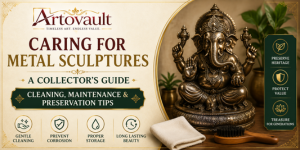
Proper care helps preserve both the beauty and significance of sacred artifacts.
Some general practices include:
Yes. Sacred collectibles make meaningful gifts for occasions such as:
They symbolize blessings, prosperity, protection, and good wishes.
Sacred collectibles are far more than decorative pieces—they embody devotion, tradition, craftsmanship, and centuries of spiritual heritage. Whether it is a beautifully sculpted bronze idol, a revered Shaligram, a Rudraksha bead, a sacred Yantra, or an ancient coin, each artifact tells a story of faith and cultural continuity.
Collecting and preserving these timeless treasures not only honors India's rich spiritual legacy but also inspires a deeper connection with the divine in everyday life.
Sacred collectibles are religious and spiritual artifacts such as idols, Rudraksha, Yantras, Shaligrams, sacred conches, and ritual objects that hold devotional, historical, or cultural significance.
No. While many are used in worship, others are collected for their artistic craftsmanship, historical importance, or cultural value.
Yes. They are considered auspicious gifts for weddings, housewarming ceremonies, festivals, anniversaries, and other special occasions.
Purchase from trusted sellers, examine the quality of craftsmanship, verify the material, and seek documentation or certificates for antiques and rare collectibles.
Keep them clean, store them carefully, avoid harsh chemicals, and treat devotional items with respect according to traditional practices.
Discover expert insights, collecting guides, conservation tips and inspiring stories from the fascinating world of fine art.










Jacky Chan
Since 2012
Lorem ipsum dolor sit amet consectetur adipisicing elit.
December 4, 2020 at 3:12 pm
ReplyAna Rosie
Since 2008
Lorem ipsum dolor sit amet consectetur adipisicing elit.
December 4, 2020 at 3:12 pm
ReplySteven Keny
Since 2010
Authentic and Beautiful, Love these way more than ever expected They are Great earphones
December 4, 2020 at 3:12 pm
Reply