
Happy Mother's Day. Big Sale Up to 40%
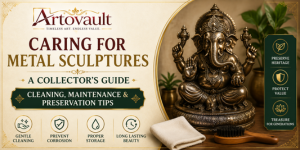
Whether crafted from bronze, brass, copper, silver, or iron, these timeless works of art add elegance, cultural significance, and historical value to any collection.
Like all fine collectibles, metal sculptures require proper care to preserve their beauty and prevent deterioration. Dust, humidity, pollution, moisture, and improper cleaning methods can gradually affect their appearance.
This collector's guide explains the best practices for cleaning, maintaining, storing, and preserving metal sculptures so they remain in excellent condition for generations.
Metal sculptures are more than decorative pieces—they are investments, heirlooms, and expressions of artistic craftsmanship. Proper maintenance helps to:
A little routine care can significantly extend the life of your sculpture.
Before cleaning any sculpture, identify the type of metal, as each material requires different care.
Bronze sculptures develop a natural patina over time, which many collectors appreciate. This protective layer should generally not be removed.
Brass offers a beautiful golden appearance but may tarnish with exposure to air and moisture. Gentle cleaning helps maintain its shine.
Copper naturally develops a green patina over time. Some collectors preserve it, while others prefer to maintain the original reddish tone.
Silver sculptures require regular polishing to prevent tarnishing but should be handled with care to avoid scratches.
Iron sculptures are prone to rust if exposed to moisture. Protective coatings and dry storage are essential.
The simplest and most important maintenance step is regular dusting.
Use:
Avoid:
Dust accumulation can trap moisture and gradually damage delicate surfaces.
For routine cleaning:
Never leave moisture on the sculpture.
Many commercial cleaners contain acids or abrasive ingredients that can permanently damage the metal finish.
Avoid using:
Always choose cleaning products specifically designed for the metal type.
Collectors often value the aged patina on antique sculptures. Removing it can reduce both aesthetic appeal and collectible value.
If the sculpture has developed an even, attractive patina, it is generally best to preserve it rather than polish it away.
Always lift sculptures from the strongest part of the base.
Avoid lifting by:
Use clean cotton gloves when handling valuable collectibles to prevent fingerprints and skin oils from affecting the surface.
Humidity is one of the biggest enemies of metal sculptures.
Store sculptures in areas with:
Avoid placing sculptures:
Continuous exposure to sunlight may:
Display sculptures in shaded indoor locations whenever possible.
Many bronze and brass sculptures benefit from occasional application of museum-grade microcrystalline wax.
Wax helps:
Always follow the manufacturer's recommendations before applying any protective coating.
Temple idols and home worship sculptures deserve special care.
After regular worship:
For antique idols, seek professional conservation advice before attempting restoration.
Outdoor sculptures face greater exposure to:
To protect them:
If storing sculptures:
Proper storage prevents accidental damage and corrosion.
Many collectors unintentionally damage sculptures through improper care.
Avoid:
Professional restoration may be required if your sculpture has:
Expert conservators can restore valuable sculptures while preserving their authenticity.
To maintain your collection:
These simple habits will help protect your collection for decades.
Metal sculptures are timeless works of art that deserve thoughtful care and preservation. Whether you collect bronze, brass, copper, silver, or iron sculptures, regular maintenance, careful handling, and proper storage will ensure they retain their beauty and value for years to come.
With the right care, a well-crafted sculpture can become a cherished heirloom, admired by future generations just as much as it is today.
Dust them every few weeks and perform a gentle cleaning whenever visible dirt or fingerprints accumulate.
No. Harsh chemicals and abrasive cleaners may damage the finish or protective patina. Use products suitable for the specific metal.
Not usually. Antique bronze often develops a valuable natural patina that should generally be preserved rather than polished away.
Keep them clean and dry, avoid excessive humidity, and apply a suitable protective wax if recommended for the finish.
Yes, if they are designed for outdoor use, but they should be inspected regularly, cleaned, and protected from excessive moisture and corrosion.
Discover expert insights, collecting guides, conservation tips and inspiring stories from the fascinating world of fine art.



















Jacky Chan
Since 2012
Lorem ipsum dolor sit amet consectetur adipisicing elit.
December 4, 2020 at 3:12 pm
ReplyAna Rosie
Since 2008
Lorem ipsum dolor sit amet consectetur adipisicing elit.
December 4, 2020 at 3:12 pm
ReplySteven Keny
Since 2010
Authentic and Beautiful, Love these way more than ever expected They are Great earphones
December 4, 2020 at 3:12 pm
Reply