








Protecting and Preserving Timeless Works of Art
Fine art is more than decoration—it is an investment in creativity, culture and history. Whether you own original paintings, sculptures, antique artefacts or contemporary artworks, proper care ensures that their beauty, structural integrity and value are preserved for future generations.
Environmental conditions, improper handling, direct sunlight, humidity, dust and pollution can gradually damage valuable artworks. Understanding the correct methods of cleaning, displaying, storing and transporting art helps collectors maintain their collections in excellent condition for decades.
At Artovault, we believe that every masterpiece deserves professional care. Our comprehensive Art Care guides provide practical advice on preservation, restoration and maintenance for collectors, galleries, interior designers and art enthusiasts.
Why Art Care is Important
Every artwork is vulnerable to natural ageing and environmental factors. Without proper care, colours may fade, surfaces may crack, metals may corrode and wooden objects may deteriorate. Preventive conservation is far more effective than expensive restoration after damage has already occurred.
Regular maintenance not only preserves the appearance of an artwork but also protects its historical, artistic and financial value.
Explore Art Care Guides
Discover our specialised guides covering every aspect of artwork preservation and maintenance.
- How to Clean Paintings
- Painting Restoration
- Sculpture Maintenance
- Framing Guide
- Lighting for Art
- Storing Artwork
- Packing Artwork
- Shipping Artwork
- Preventing Moisture Damage
- Displaying Art at Home
Preventive Conservation
Preventive conservation focuses on protecting artworks before damage occurs. Proper display conditions, stable temperature, controlled humidity and careful handling significantly extend the life of paintings, sculptures and antique objects.
Collectors who invest in preventive care minimise restoration costs while ensuring that artworks retain their original beauty and structural integrity for generations.
Professional Art Care
Some conservation tasks require the expertise of trained professionals. Cleaning valuable paintings, restoring damaged sculptures or repairing historic artefacts should always be performed using museum-quality techniques that preserve authenticity and artistic integrity.
Continue exploring our detailed guides to learn the safest and most effective methods of caring for your valuable art collection.
How to Clean Paintings
Paintings should always be cleaned with great care to avoid accidental damage. Dust, airborne pollutants and environmental contaminants slowly accumulate on the surface of an artwork, affecting both its appearance and longevity.
Routine cleaning should be limited to gently removing loose dust with a soft natural-hair brush or a clean microfiber cloth. Avoid using water, chemical cleaners or household sprays, as these can permanently damage paint layers and protective varnishes.
For valuable or antique paintings, always consult a professional art conservator before attempting any cleaning.
Learn more in our Painting Cleaning Guide .
Painting Restoration
Over time, paintings may develop cracks, fading, flaking paint, discoloured varnish or structural damage due to age and environmental conditions. Professional restoration helps stabilise artworks while preserving their original character and artistic integrity.
Restoration should only be carried out by trained conservators using museum-approved techniques and reversible conservation materials. Improper restoration may significantly reduce both artistic and financial value.
Explore our guide to Painting Restoration .
Sculpture Maintenance
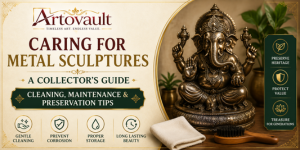
Sculptures require maintenance appropriate to their material. Bronze, brass, marble, stone and wooden sculptures each respond differently to environmental conditions, making proper care essential for long-term preservation.
Regular dusting, careful handling and protection from excessive moisture, pollution and direct sunlight help preserve the appearance of sculptures while preventing unnecessary deterioration.
Discover expert advice in our Sculpture Maintenance Guide .
Framing Guide
A quality frame protects artwork while enhancing its visual appeal. Proper framing shields paintings and works on paper from dust, accidental damage and environmental exposure while complementing the artwork's overall presentation.
Acid-free mounting materials, UV-protective glass and conservation-grade framing techniques provide the highest level of long-term protection for valuable artworks.
Read our complete Artwork Framing Guide .
Lighting for Art
Lighting dramatically influences both the appearance and preservation of artworks. Excessive sunlight and ultraviolet radiation can permanently fade pigments, damage paper and accelerate deterioration.
LED lighting with controlled brightness and minimal UV emission is recommended for displaying valuable paintings and sculptures in homes, galleries and museums.
Explore our Art Lighting Guide .
Storing Artwork
When artworks are not on display, proper storage becomes essential. Paintings should be stored vertically with protective coverings, while sculptures require stable support and protective padding to prevent physical damage.
Climate-controlled environments with stable temperature and humidity provide the safest conditions for long-term storage of valuable art.
Learn best practices in our Artwork Storage Guide .
Packing Artwork
Proper packing protects artworks during transport, relocation and temporary storage. High-quality protective materials such as acid-free paper, foam, corner protectors and custom-built crates minimise the risk of scratches, vibration and impact damage.
Large or valuable artworks often require professional packing services to ensure safe transportation.
Read our detailed Artwork Packing Guide .
Shipping Artwork
Shipping fine art requires specialised handling, secure packaging and reliable logistics. Selecting experienced art shippers helps reduce the risk of transit damage while ensuring valuable artworks arrive safely at their destination.
Insurance, tracking and professional documentation provide additional protection during domestic and international transportation.
Explore our Artwork Shipping Guide .
Preventing Moisture Damage
Humidity is one of the greatest threats to paintings, sculptures and paper-based artworks. Excess moisture encourages mould growth, warping, paint lifting and corrosion, while extremely dry conditions may lead to cracking and brittleness.
Maintaining relative humidity between 45% and 55% helps protect most works of art from environmental damage.
Learn more in our Moisture Protection Guide .
Displaying Art at Home
Thoughtful display enhances both the beauty and longevity of an artwork. Avoid hanging paintings above fireplaces, in direct sunlight or near sources of excessive heat and humidity. Position artworks at comfortable viewing height and ensure secure wall mounting for safety.
A well-planned display transforms interiors while protecting artworks from unnecessary environmental stress.
Browse our Home Display Guide .
Daily Art Care Tips
- Handle artworks with clean, dry hands or cotton gloves.
- Never touch painted surfaces directly.
- Keep artworks away from direct sunlight.
- Maintain stable temperature and humidity.
- Dust regularly using soft brushes only.
- Avoid household cleaning chemicals.
- Inspect collections periodically for damage.
- Consult professionals before any restoration work.
Why Choose Artovault?
Artovault is committed to helping collectors preserve their valuable collections through practical guidance and expert recommendations. Our Art Care resources combine museum-inspired conservation practices with easy-to-follow advice suitable for private collectors, galleries, interior designers and institutions.
- Expert preservation guidance.
- Professional care recommendations.
- Comprehensive maintenance resources.
- Artwork display and storage advice.
- Conservation best practices.
- Trusted educational resource.
- Art Advisory support.
- Committed to preserving artistic heritage.
Frequently Asked Questions
How often should artworks be cleaned?
Most artworks require only gentle dusting every few weeks using a soft, dry brush or microfiber cloth. Valuable paintings, sculptures and antiques should never be cleaned with water or household chemicals, and professional conservation is recommended for deep cleaning.
Can sunlight damage paintings?
Yes. Prolonged exposure to direct sunlight and ultraviolet (UV) rays can fade colours, weaken canvas fibres and damage paper. Display artworks in areas with indirect light or use UV-protective glass and LED lighting.
What is the ideal humidity for storing artwork?
Most paintings, sculptures and paper-based artworks should be kept in an environment with a relative humidity of approximately 45% to 55% and a stable temperature to minimise deterioration.
Should old paintings be restored?
Only when necessary. Restoration should always be carried out by qualified art conservators who use museum-grade techniques that preserve the originality and integrity of the artwork.
How should sculptures be cleaned?
Cleaning methods depend upon the material. Bronze, brass, marble, stone and wooden sculptures each require different care techniques. Always use soft cloths and avoid abrasive cleaning products that may damage the surface.
What is the safest way to transport artwork?
Use acid-free wrapping materials, corner protectors, foam padding and custom-built crates whenever possible. Valuable artworks should always be transported by professional fine-art logistics specialists.
Can I frame valuable artwork myself?
Museum-quality framing is recommended for original paintings, limited editions and valuable works on paper. Acid-free mounting materials and UV-protective glazing provide the best long-term protection.
Why is preventive conservation important?
Preventive conservation reduces the risk of deterioration by controlling environmental conditions, proper handling and regular maintenance. It is far less expensive and less invasive than repairing damaged artworks.
Why trust Artovault for Art Care advice?
Artovault is committed to promoting responsible collecting by providing practical guidance on artwork preservation, conservation, display, storage and maintenance. Our resources help collectors protect their investments while preserving cultural heritage for future generations.
Preserve Your Collection for Future Generations
Every work of art deserves thoughtful care. Whether you own a single painting, an antique sculpture or an extensive private collection, proper maintenance ensures that each masterpiece retains its beauty, historical significance and financial value for years to come.
By following proven conservation practices and seeking professional assistance whenever required, collectors can enjoy their artworks while protecting them for future generations. Responsible art care is an essential part of collecting and demonstrates respect for the creativity and craftsmanship behind every masterpiece.
Continue Exploring Artovault
- Indian Art
- Paintings
- Sculptures
- Artists
- Art Styles
- Religious Artefacts
- Antiques & Vintage Collectibles
- Art Buying Guides
- Art Advisory
Talk to an Art Advisor Contact Artovault